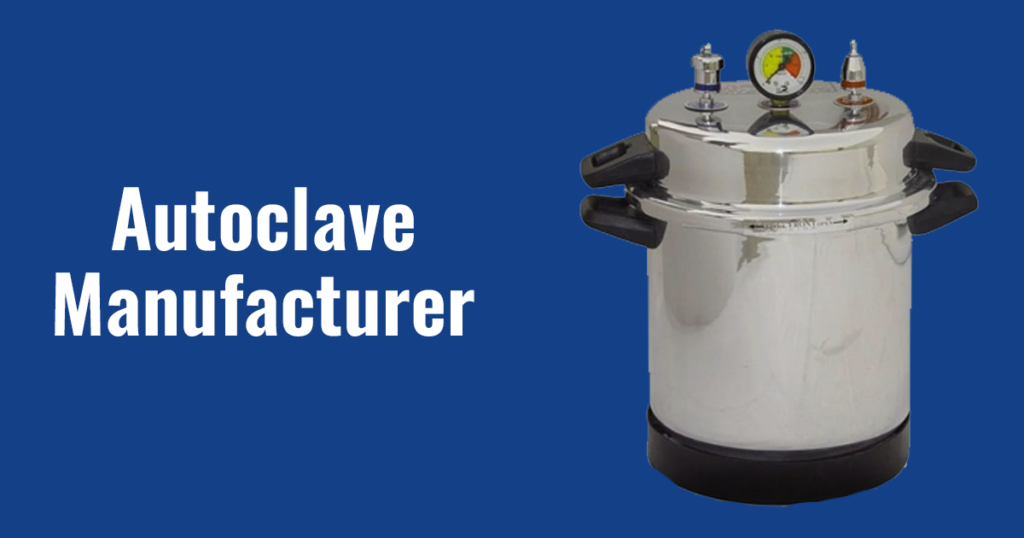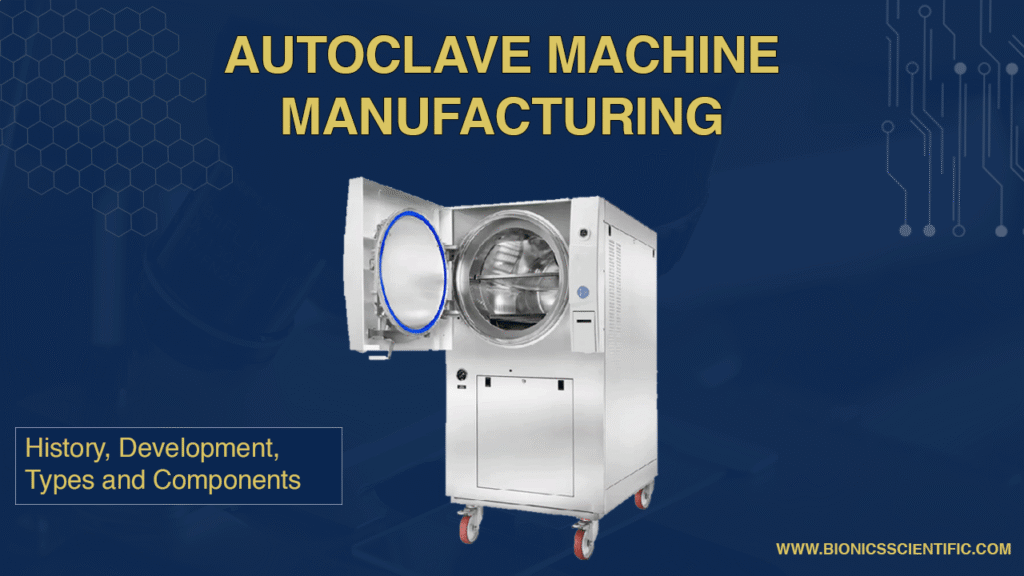
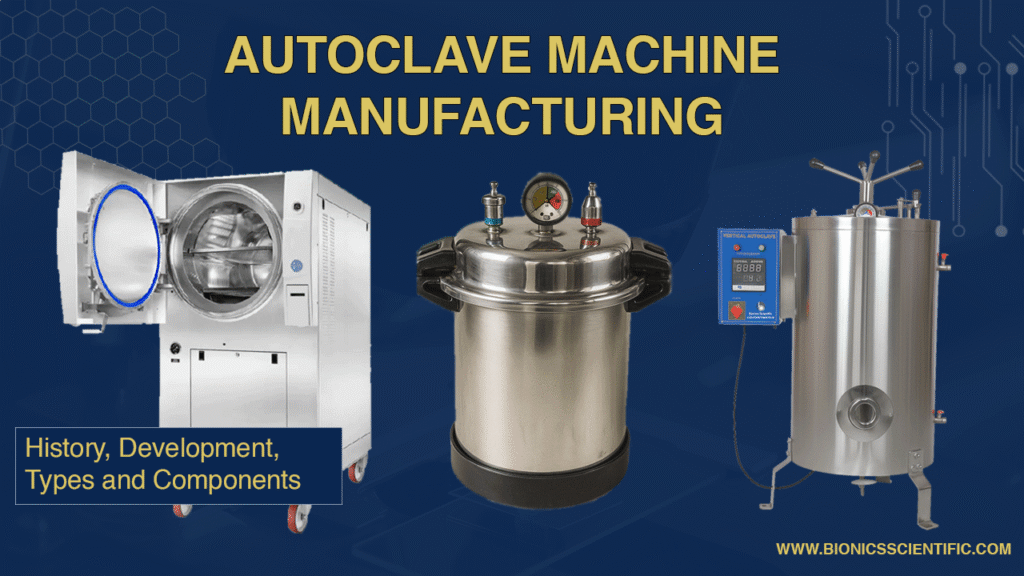
Autoclave manufacturing plays an important role in industries where sterility, safety, and regulatory compliance are a priority. Autoclaves rely on high pressure steam in order to sterilize equipment that is commonly used in hospitals, laboratories, and industries.
In this article, we will explore the manufacturing process for autoclaves, the materials used in their manufacturing, different kinds, cost in India, and selection of the best autoclave manufacturing firm.
Bionics Scientific is a well-known manufacturer of autoclaves in India that makes autoclaves that are highly reliable and efficient.
Our autoclave manufacturing firm has installed over 100 units in pharmaceuticals, hospitals, and laboratories.
History and Development Of The Sterilizers Autoclave Manufacturing
The autoclave has progressed from simple steam sterilizers to sophisticated devices that have automated functions, with exact control over temperature and pressure. Today’s sterilization equipment is highly efficient, safe, and up to international standards.
Evolution of Autoclave Sterilizer technology over time
Autoclave technology has changed completely from traditional to meet effective sterilization demands:
- Early Stages: Chamberland expanded its use in the 19th century for lab sterilization. Originating in the 17th century with Papin’s pressure cooker.
- Industrial Revolution: Rapid advancements during this period led to improved designs, materials, and safety features.
- Technological Innovations: 20th-century innovations have introduced automation, precise control, and corrosion-resistant materials.
- Diversification: industrial autoclave system diversified for specific tasks like medical instrument sterilization, aerospace material curing, and portable field use.
- Sustainability: Recent trends focus on eco-friendly designs, energy efficiency, and smart technologies for reduced environmental impact.

Which Autoclave Type is Best for Your Use?
- Hospitals: Pre-vacuum or double door autoclave
- Laboratories: Vertical autoclave
- Pharma industry: Pulse vacuum sterilizer
- Industrial use: Horizontal autoclave
Discussion on the best type of autoclave based on specific industry needs.
Selecting the right autoclave type depends on industry needs:
- Healthcare: Pre-vacuum for hospitals, tabletop for smaller facilities, pass-through for larger hospitals.
- Pharmaceutical: High-pressure or continuous autoclaves for large-scale sterilization.
- Laboratory: Laboratory autoclaves for glassware, media, and waste.
- Food and Beverage: SFPP autoclaves for packaging and continuous autoclaves for canned goods.
- Aerospace and Manufacturing: High-pressure autoclaves for curing composite materials.
We are ISO and CE Certified leading, Autoclaves manufacturer company in India | Call Us +91 9111161955, 9376651333 | Email us: info@bionicsscientific.com
Autoclave Manufacturing Process Step-by-Step
- Design & Engineering: Requirement-based design and technical drawings
- Material Selection: SS 304 / SS 316 chamber material
- Fabrication: Cutting, bending, and shaping of components
- Welding & Assembly: Precision welding and assembly
- Testing: Pressure testing, leak testing, and safety validation
- Final Inspection & Dispatch: Quality check and packaging
Quality Testing in Autoclave Manufacturing
- Hydrostatic pressure testing
- Vacuum leak test
- Safety valve calibration
- Temperature uniformity validation
Key components and materials used in Manufacturing Autoclaves Machines
Autoclave Manufacturing relies on key components and materials:
- Autoclave Chamber: Constructed from stainless steel for durability and corrosion resistance.
- Door Assembly: Typically stainless steel with sealing mechanisms for a tight seal.
- Insulation: Uses materials like ceramic fiber or mineral wool to minimize heat loss.
- Heating Elements: Electric elements provide heat transfer for steam generation.
- Pressure Vessel: Made from carbon steel or stainless steel to withstand internal pressure.
- Control Systems: Monitor and regulate temperature, pressure, and safety features.
- Valves and Fittings: Stainless steel components for steam supply, venting, and pressure regulation.
Factors to consider when selecting an autoclave, including size, pressure, temperature range, and intended use
When choosing an autoclave, consider:
- Size: Ensure it fits available space and accommodates sterilization needs.
- Pressure and Temperature: Verify capabilities match sterilization requirements.
- Cycle Options: Look for customizable cycles to optimize efficiency.
- Control System: Prioritize intuitive interfaces and compatibility with tracking systems.
- Material Compatibility: Check for resistance to heat, pressure, and compatibility with sterilization materials.
- Safety Features: Ensure robust safety measures are in place for operator protection.
- Regulatory Compliance: Confirm adherence to relevant standards and guidelines.
- Maintenance and Support: Consider the availability of technical support, maintenance services, and spare parts.
Materials and Sterilisation
- Autoclaving, ETO sterilization, chemical sterilants, and radiation sterilization are common methods used in healthcare and laboratories.
- Autoclaving is favored for its effectiveness against a wide range of microorganisms, rapid cycles, and lack of toxic residues.
- ETO sterilization suits heat-sensitive materials but requires specialized facilities and poses safety concerns due to its toxicity.
- Chemical sterilants offer quick cycles but may leave behind residues.
- Radiation sterilization is suitable for disposable items but requires specialized facilities and can cause material degradation.
- Autoclaving remains popular for its versatility and rapid sterilization of heat-resistant materials, making it ideal for many laboratory and medical applications.
Cost and Quality for Autoclave Machines in India
The average cost of autoclaves and factors influencing pricing.
The average cost of autoclaves can vary significantly depending on several factors, including the size, capacity, features, brand, and market demand. Here are some key factors influencing the pricing of autoclaves:
1. Size and Capacity:
- Larger autoclaves with greater chamber volume and loading capacity generally command higher prices due to the increased materials and manufacturing costs.
- Tabletop or benchtop autoclaves designed for smaller-scale operations typically have lower upfront costs compared to large-scale industrial autoclaves used in manufacturing or research facilities.
2. Technology and Features:
- Autoclaves equipped with advanced technology, automation, and programmable features tend to have higher prices.
- Additional features such as touchscreen interfaces, data logging capabilities, remote monitoring, and self-diagnostic systems may contribute to increased costs.
3. Construction and Materials:
- The materials used in the construction of autoclaves, such as stainless steel, high-strength alloys, and specialized coatings, influence pricing.
- Autoclaves constructed from premium-grade materials and with superior craftsmanship may command higher prices due to their durability, longevity, and performance.
4. Brand and Reputation:
- Autoclaves from well-established brands with a reputation for quality, reliability, and innovation may have higher price points compared to lesser-known or generic brands.
- Brand reputation often reflects factors such as product reliability, customer support, and after-sales service, which can justify higher pricing for some customers.
5. Regulatory Compliance:
- – Autoclaves designed to meet specific regulatory standards and certifications, such as ISO 13485 for medical devices or cGMP (current Good Manufacturing Practices) for pharmaceuticals, may incur higher costs due to additional design, testing, and certification requirements.
6. Installation and Support:
- Additional costs may be associated with installation, commissioning, training, and ongoing technical support provided by the manufacturer or authorized distributors.
- Customers may opt for service contracts, preventive maintenance plans, and extended warranties, which can add to the total cost of ownership over time.
7. Market Demand and Competition:
- Market demand and competition within the autoclave industry can influence pricing dynamics.
- Factors such as supply chain disruptions, changes in raw material costs, and fluctuations in demand for sterilization equipment may impact pricing strategies adopted by manufacturers.
8. Customization and Specialization:
Autoclaves customized to meet specific customer requirements, such as specialized chamber sizes, pressure ratings, or industry-specific features, may incur additional engineering and manufacturing costs, resulting in higher prices.
Overall, the cost of autoclaves is determined by a combination of factors, and customers should carefully evaluate their requirements, budget constraints, and long-term needs when selecting an autoclave to ensure optimal value for investment.
Autoclave Price Range in India
Tabletop autoclave: ₹25,000 – ₹80,000
Vertical autoclave: ₹80,000 – ₹2.5 lakh
Horizontal autoclave: ₹2.5 lakh – ₹10 lakh+
Note: Prices vary based on capacity, automation level, and customisation requirements.
Looking for a reliable autoclave manufacturer in India?
Get high-performance, ISO-certified autoclaves designed for precision, safety, and long-term reliability.
Contact our experts today and get a customised solution with the best price within 24 hours.
Explore our complete range of autoclaves on our Autoclave product page and understand working principles in our Autoclave principle blog.
We manufacture and supply a wide range of autoclaves including: Vertical autoclave
- Vertical autoclave
- Horizontal autoclave
- Double door autoclave
- Pulse vacuum sterilizer
These systems are widely used across pharmaceutical, hospital, and research industries.
Importance of quality in autoclaves and how to evaluate it
Quality is crucial in autoclaves for several reasons:
- Sterilization Efficiency: Ensures effective elimination of microorganisms, crucial for preventing infections and contamination.
- Product Integrity: Maintains the safety and functionality of sterilized items, preventing damage or degradation.
- Regulatory Compliance: Meets standards like ISO 13485 and FDA regulations, ensuring safety and efficacy.
- Operational Reliability: Delivers consistent performance to minimize downtime and disruptions.
- Safety: Incorporates features to protect operators and the environment from hazards.
- Longevity and Cost-effectiveness: Offers durability and efficiency, resulting in long-term cost savings.
To evaluate the quality of autoclaves, consider the following factors:
1. Manufacturer Reputation:
- Research the reputation, experience, and track record of the autoclave manufacturer.
- Look for established brands with a history of delivering high-quality products and excellent customer support.
2. Compliance with Standards:
- Verify that the autoclave complies with relevant regulatory standards, industry guidelines, and certification requirements.
- Review documentation, such as CE certificates, FDA clearances, and ISO certifications, to ensure regulatory compliance.
3. Product Specifications and Features:
- Assess the specifications, features, and capabilities of the autoclave to ensure they meet your requirements.
- Look for advanced features, such as programmable cycles, touchscreen interfaces, and data logging capabilities, that enhance usability and performance.
4. Quality Assurance Processes:
- Inquire about the manufacturer’s quality assurance processes, including design validation, component testing, and manufacturing standards.
- Evaluate the manufacturer’s commitment to quality control, continuous improvement, and customer satisfaction.
5. Customer Reviews and References:
- Seek feedback from current users, customers, or industry professionals who have experience with the autoclave.
- Read online reviews, testimonials, and case studies to gain insights into the autoclave’s performance, reliability, and user satisfaction.
Autoclave Operation and Maintenance
Basic principles of operating an autoclave
Operating an autoclave involves:
- Preparing and loading items properly.
- Fill the reservoir with distilled water.
- Setting parameters like temperature and pressure.
- Starting the cycle securely and monitoring.
- Including a drying phase if needed.
- Allowing for proper cooling before unloading.
- Unloading items carefully, inspecting for efficacy.
- Cleaning after each use and maintaining documentation for records.
Maintenance tips to ensure optimal performance and longevity of the equipment
To maintain autoclave performance:
- Clean regularly using recommended solutions.
- Inspect for wear, corrosion, and seal integrity.
- Calibrate temperature and pressure, and validate cycles periodically.
- Follow preventive maintenance schedules, and replace worn parts.
- Use quality water to prevent scale buildup and a clean water system.
- Ensure proper ventilation and airflow around the autoclave.
- Train operators on safety and maintenance procedures.
- Maintain detailed records of maintenance activities for reference.
Autoclaves are essential for sterilizing instruments and ensuring safety and hygiene in industries such as medical, pharmaceutical, lab, aerospace, and food processing.
Their evolution has demonstrated their importance, from early designs such as those by Denis Papin and Charles Chamberland to modern innovations.
Choose the right autoclave according to industry needs and Ensure effective sterilization, compliance, and reliability.